athenahealth
Secure Messaging
How might we provide patients with a conversational messaging experience that gives them the ability to send images and documents to their doctors?
The problem
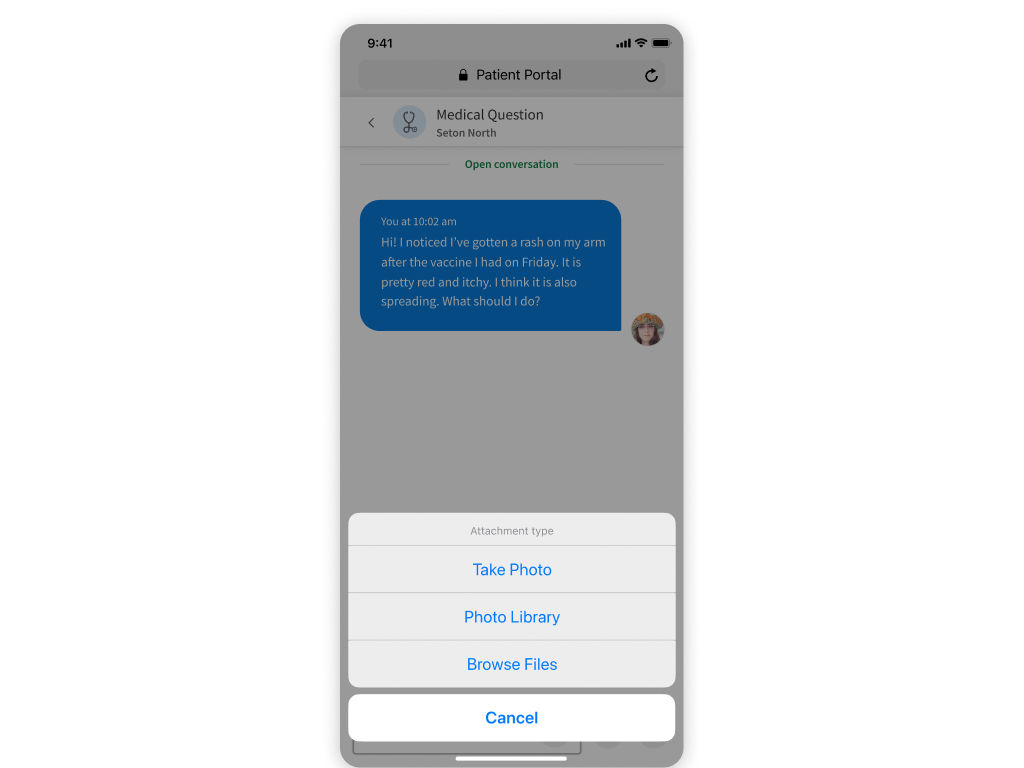
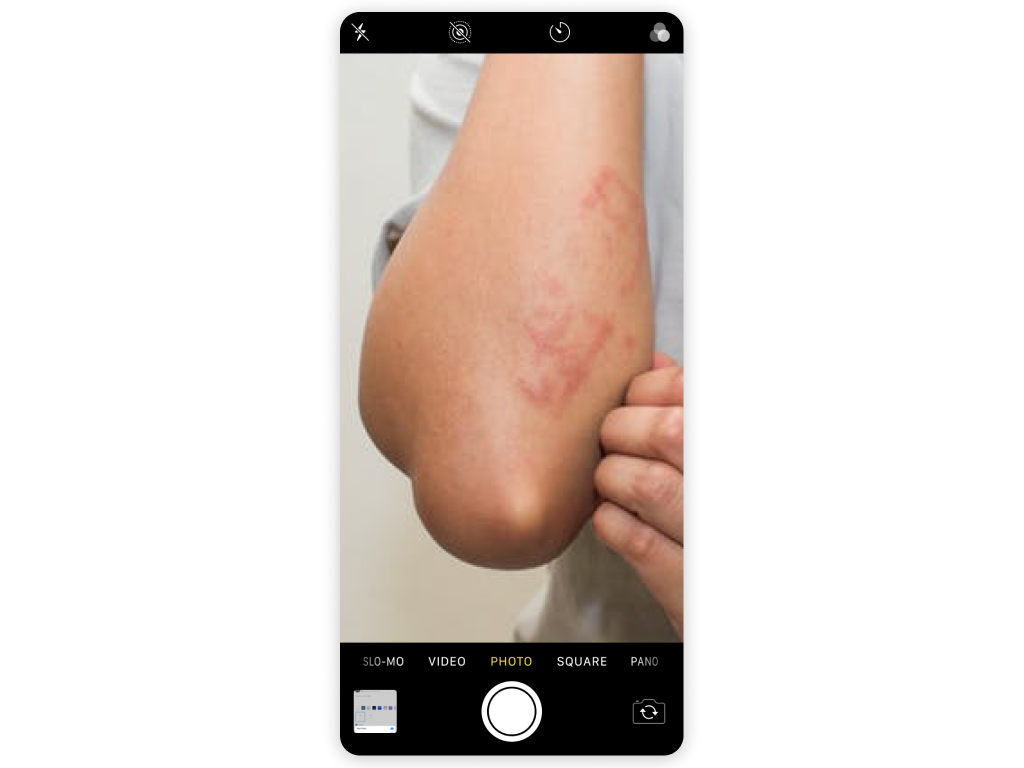
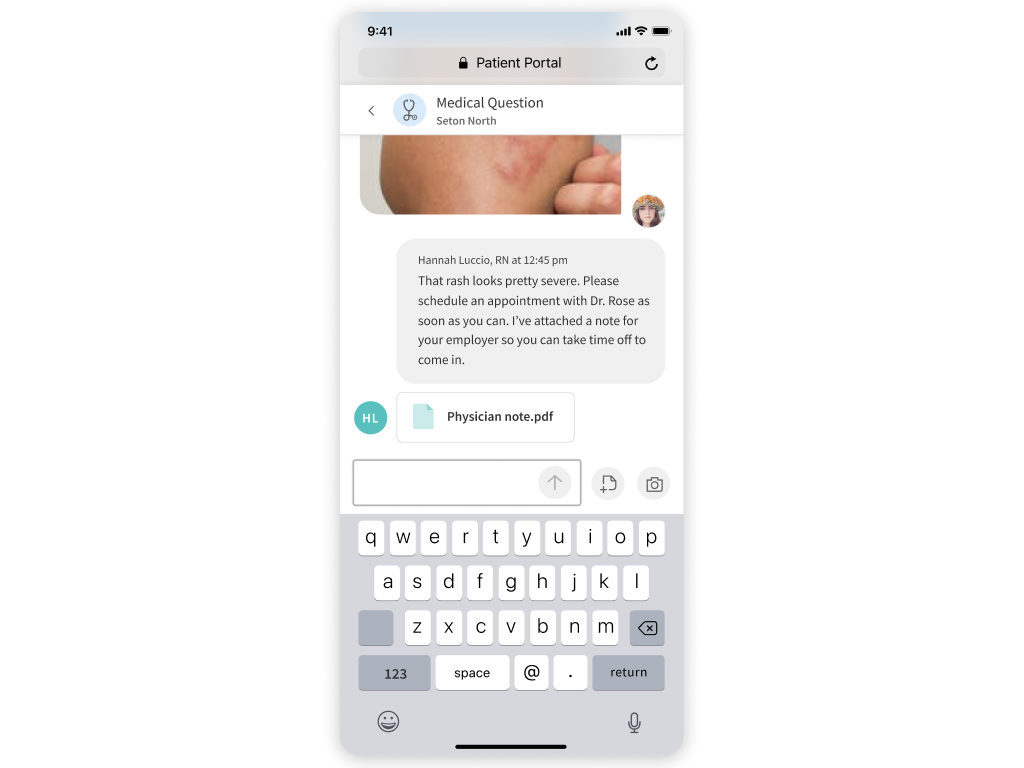
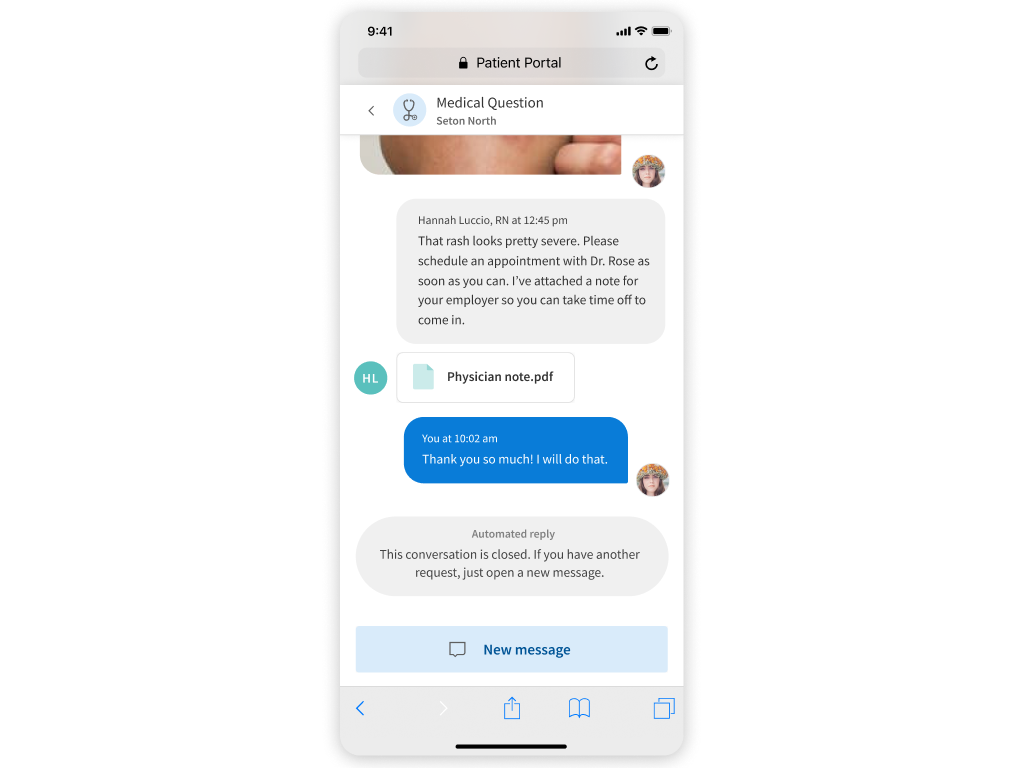
Patients could not send images or files to their doctors. It was a key pain point we wanted to address to meet patient needs and drive consumer satisfaction
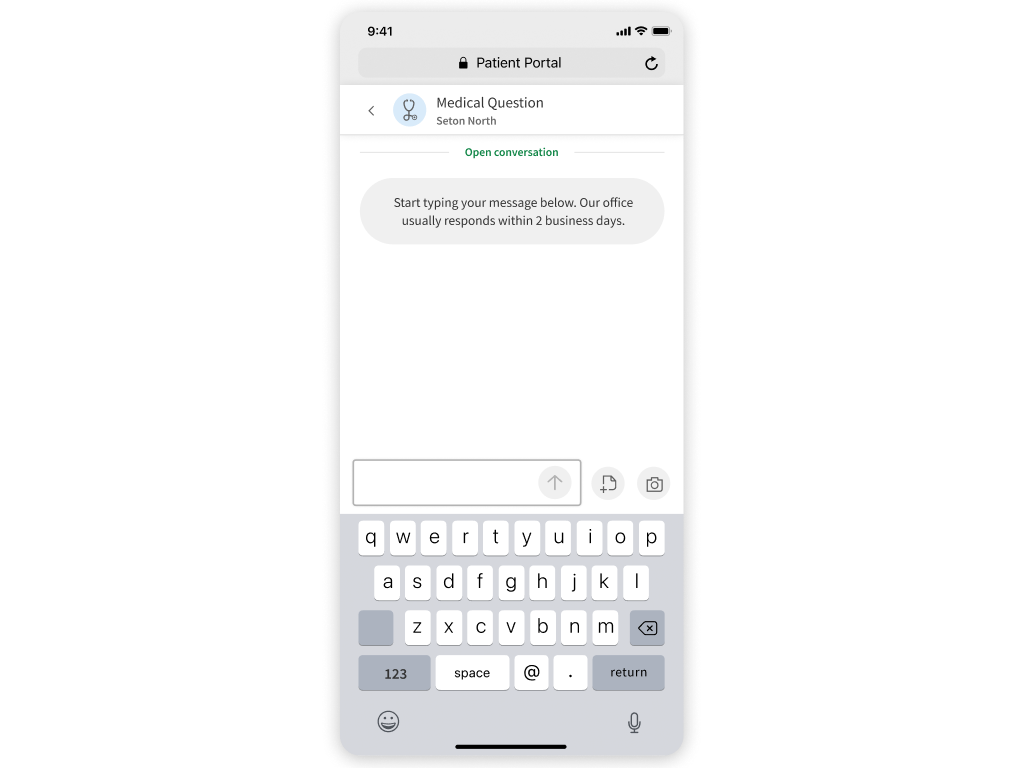
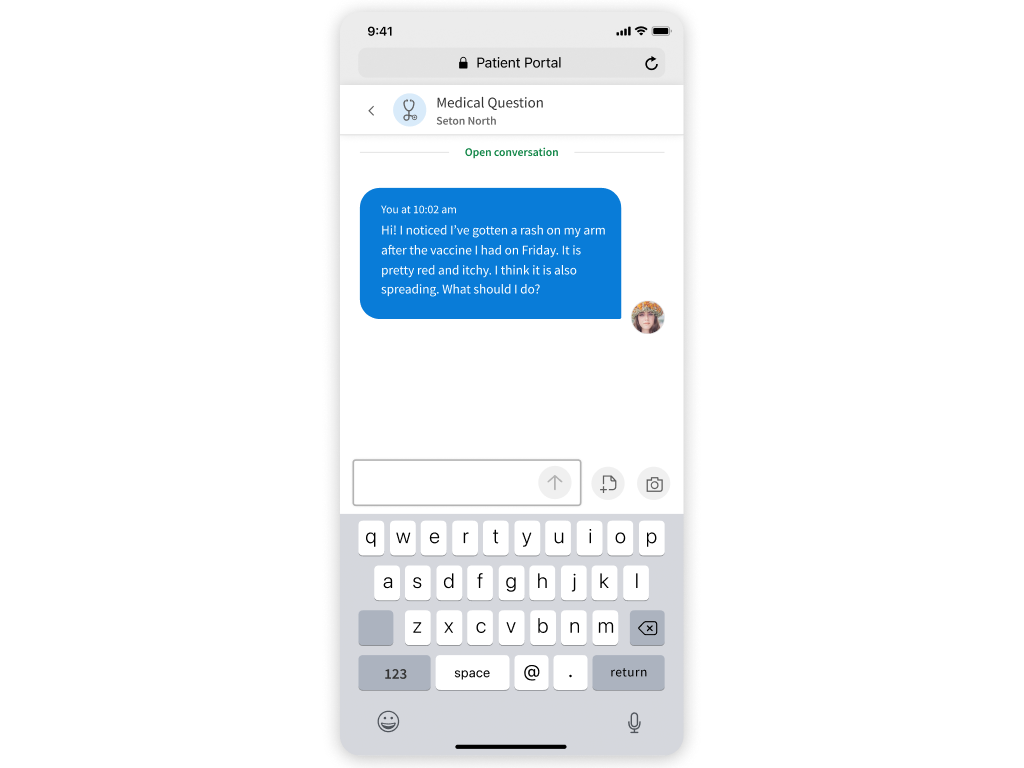
Messaging had an inbox-like experience and look & feel. We believed a more modern chat-like experience would better matched a patient’s mental model
Business impact
Adding attachments to messages represented $400M increase in revenue and was the third most requested enhancement for Patient Experience
Role
Product design lead
Responsibilities
Design strategy, stakeholder alignment, workshops, service narratives, journey mapping, mobile-first design ideations and concepts, and resonance testing and synthesis
Team
Product management
Product designer peers
Process
Project definition
To kick-off discovery projects I developed a Discovery project template to align my team on our key problems, assumptions, questions, methods, and deliverables.
During the kickoff we determined the project needed design iterations, resonance testing to get feedback on the new chat paradigm, and alignment workshops with our cross-divisional provider-facing teams working on the internal tools we’d have to align with. This collaborative planning effort helped us uncover dependancies, share new feature ideas, understand where we should integrate, and started early cross-divisional prioritization.
Design exploration
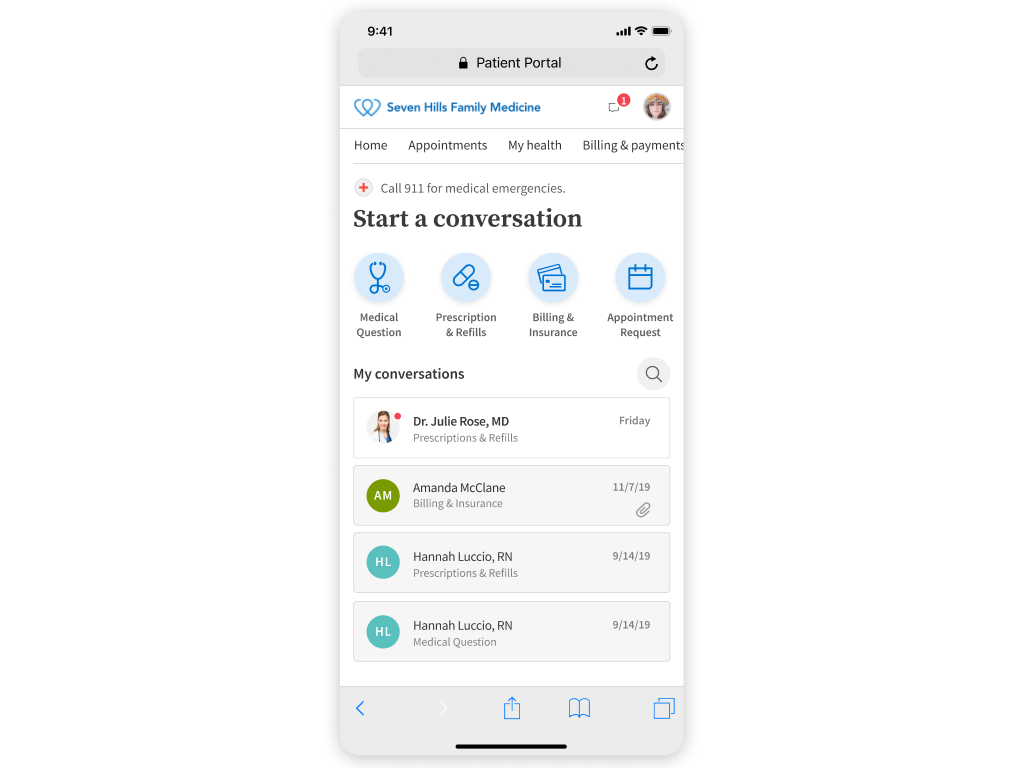
I worked on design directions that took a fresh and new perspective on messaging that focused on changing the existing paradigm from an inbox to a threaded experience.
Constraints
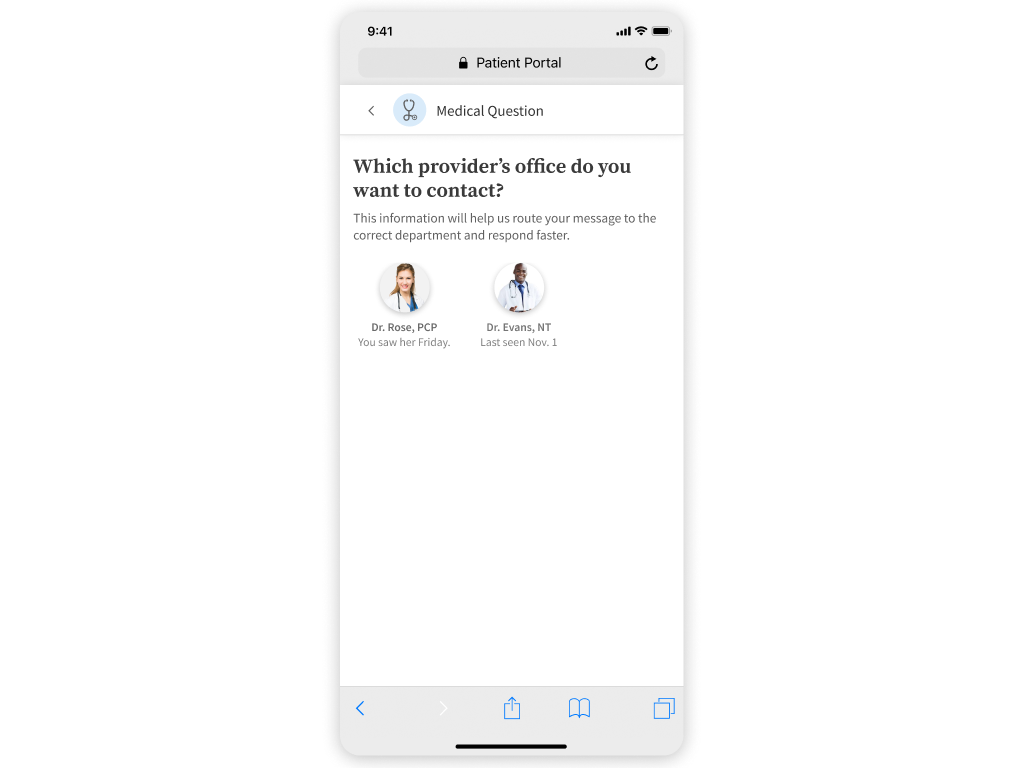
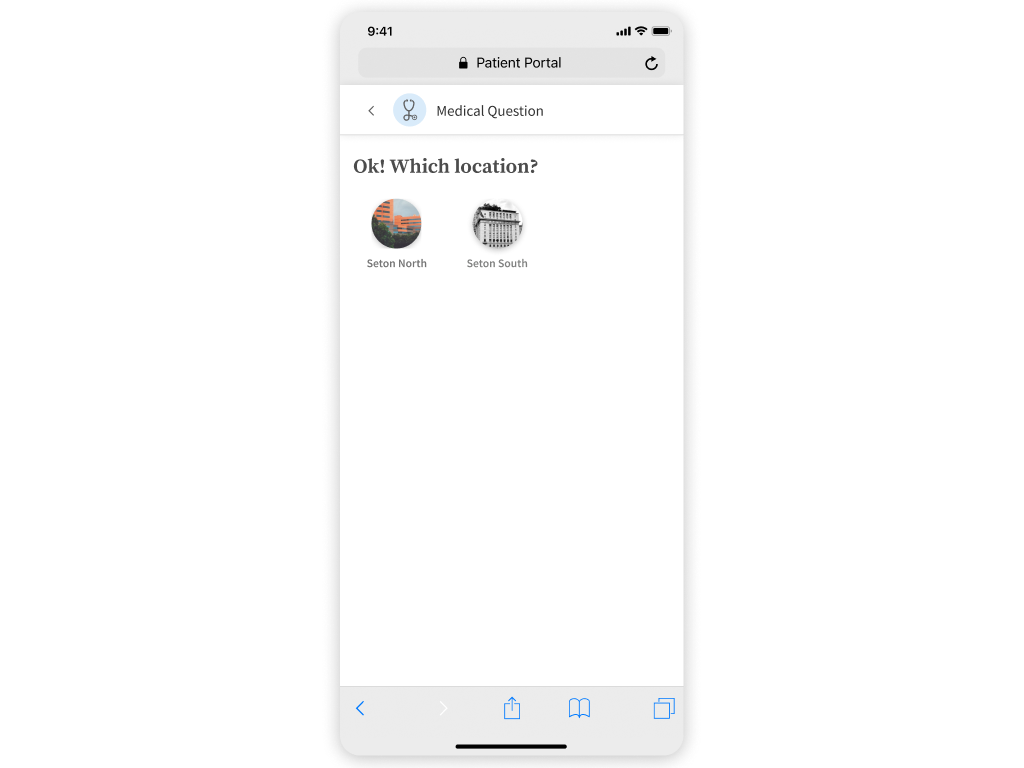
The secure messaging experience came with functional constraints. Patients could ask Medical Questions, Billing and Insurance Questions, Request Appointments, and Request Refills. We didn’t want to completely re-work the business logic and question types in place due to the tight relationship with how providers received and replied to patient questions.
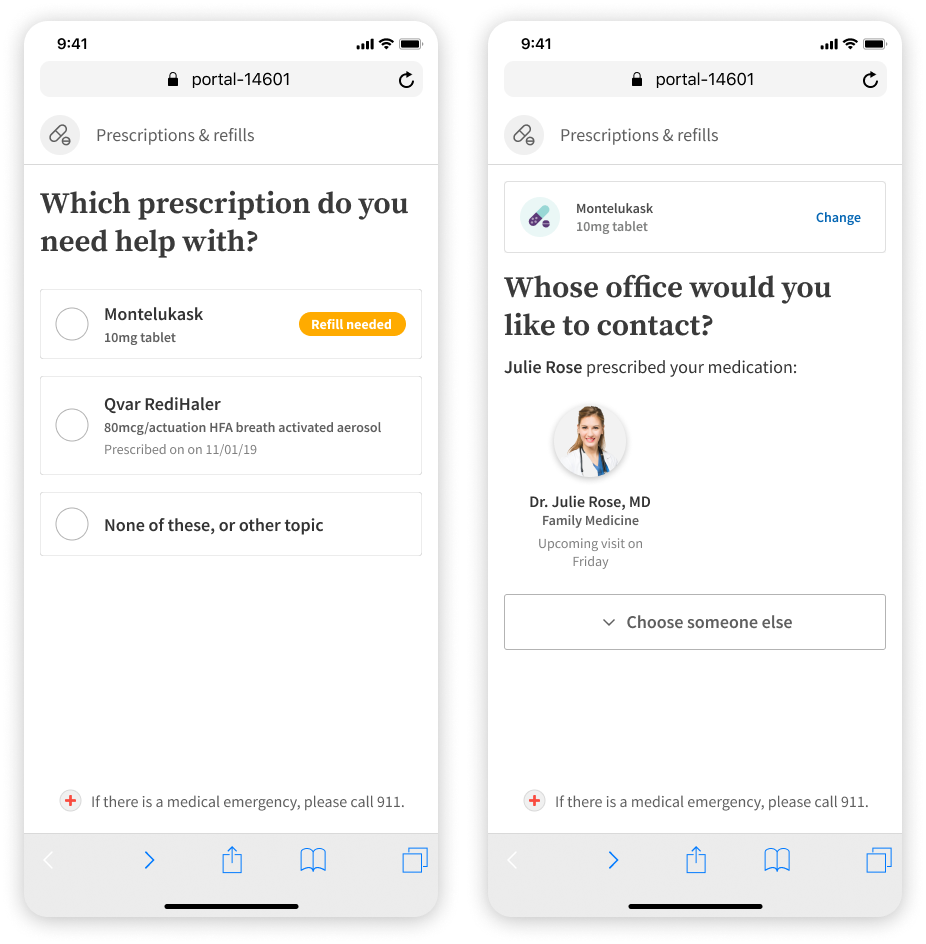
Design iteration for requesting a refill using conversational messaging, depicting statuses when refills are needed and being clear about the provider who prescribed the medication.
Resonance testing
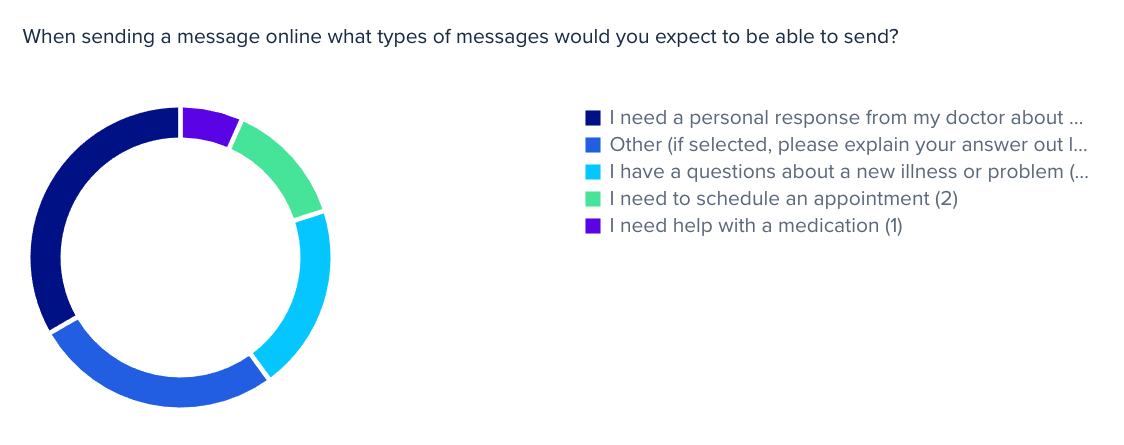
The goal was to determine if a chat paradigm made sense when a patient sent a message to their doctor. My team and I wondered if a chat-like interface that included the ability to add attachments would cause our patient users to expect a real-time reply from their doctor, an expectation that we couldn’t control or meet.
Key takeaways
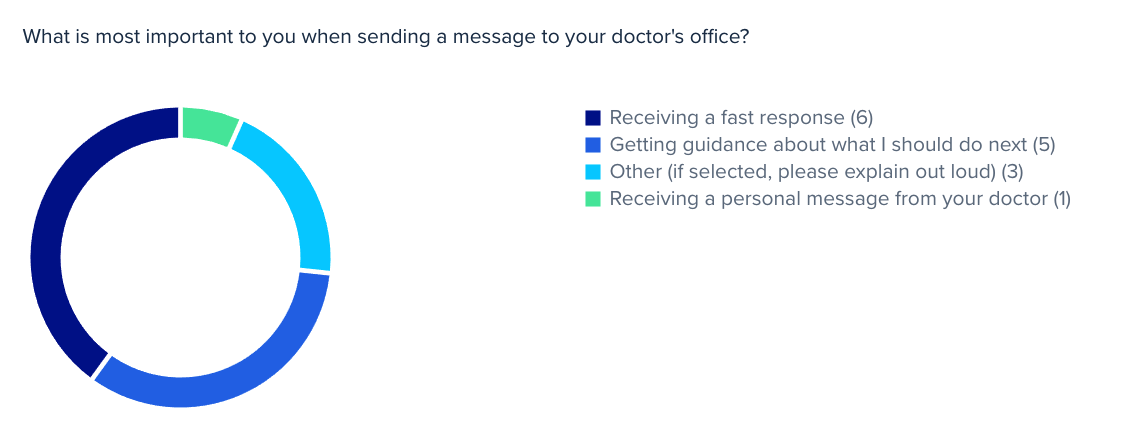
Overall, we found that chat fit a patient’s mental model but we did see a trend towards expecting a fast or immediate response from their doctor.
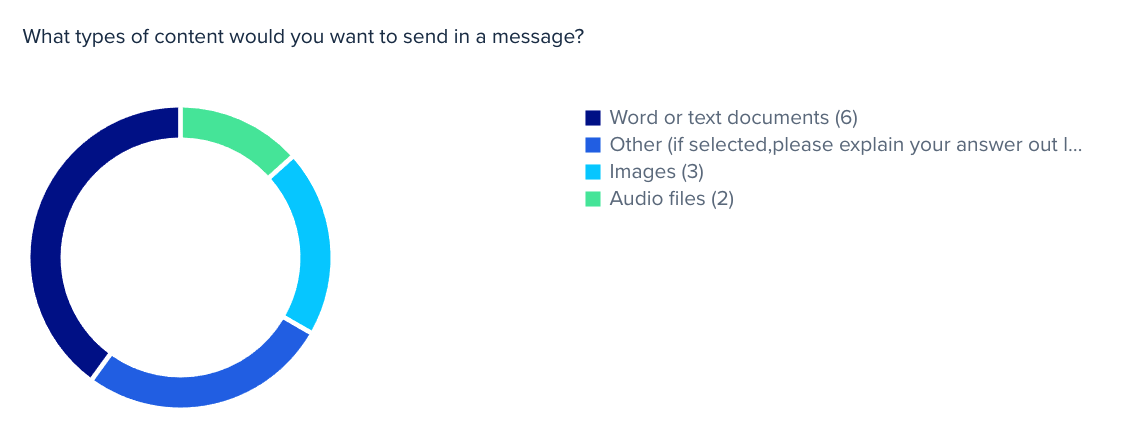
Patients were particularly excited by the ability to add their own attachments and receive attachments directly from their doctor.
Co-design workshops
The goal of the 2-day on site was to share Consumer Health’s new direction for Secure Messaging and get a better understanding of our relationship and connections to our client-facing system and tools. We had a basic understanding of how patient initiated messages made their way into the hands of providers, but since we planned to give patients the ability to add attachments, we needed to make sure the attachments could go somewhere.
Agenda
A 1/2 day knowledge share between Consumer Health and Clinical client-facing teams to share context and progress on related projects.
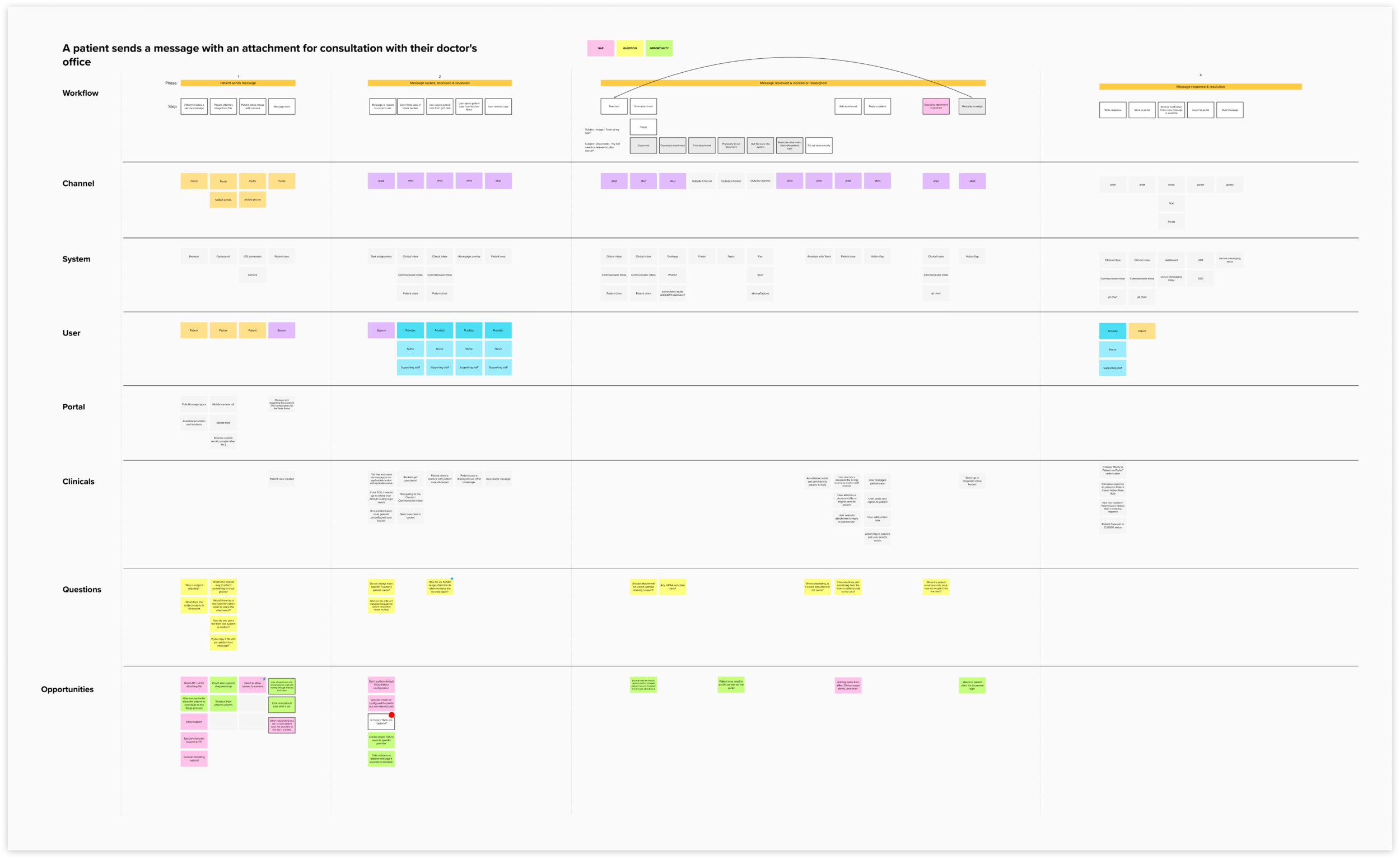
A full day of team interviews to better understand dependancies and relationships and a workflow mapping session where we built a framework for a shared patient and provider journey
A final working session where product owners from each team created a shared roadmap and defined next steps

Day two of our on site. Working together on our patient and provider workflow map and roadmap priorities
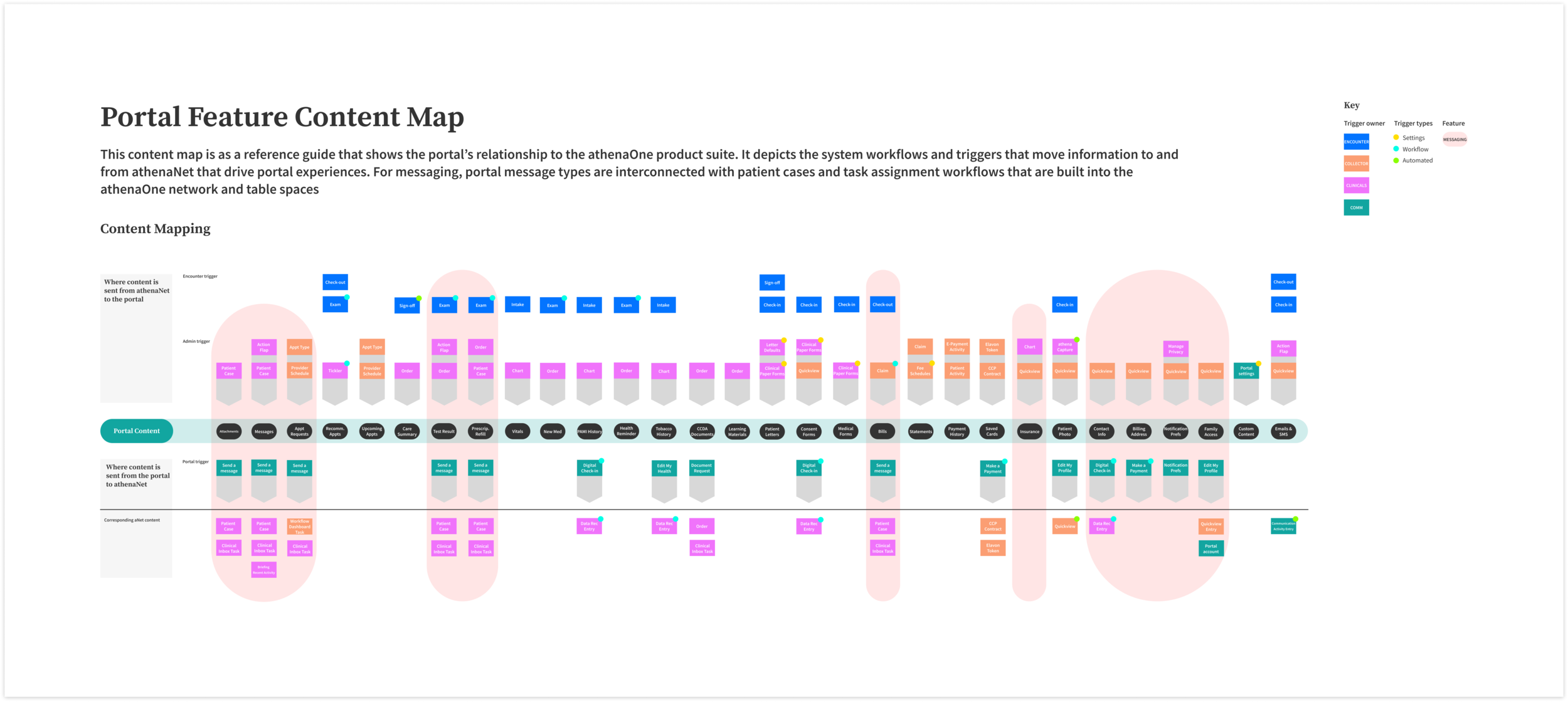
Service map artifact
Key insight
Messaging was a partnership
Messaging wasn’t just one team. We discovered it was a combination of two Clinical product zones which made up three individual teams and Consumer Health coming together in a single interface…
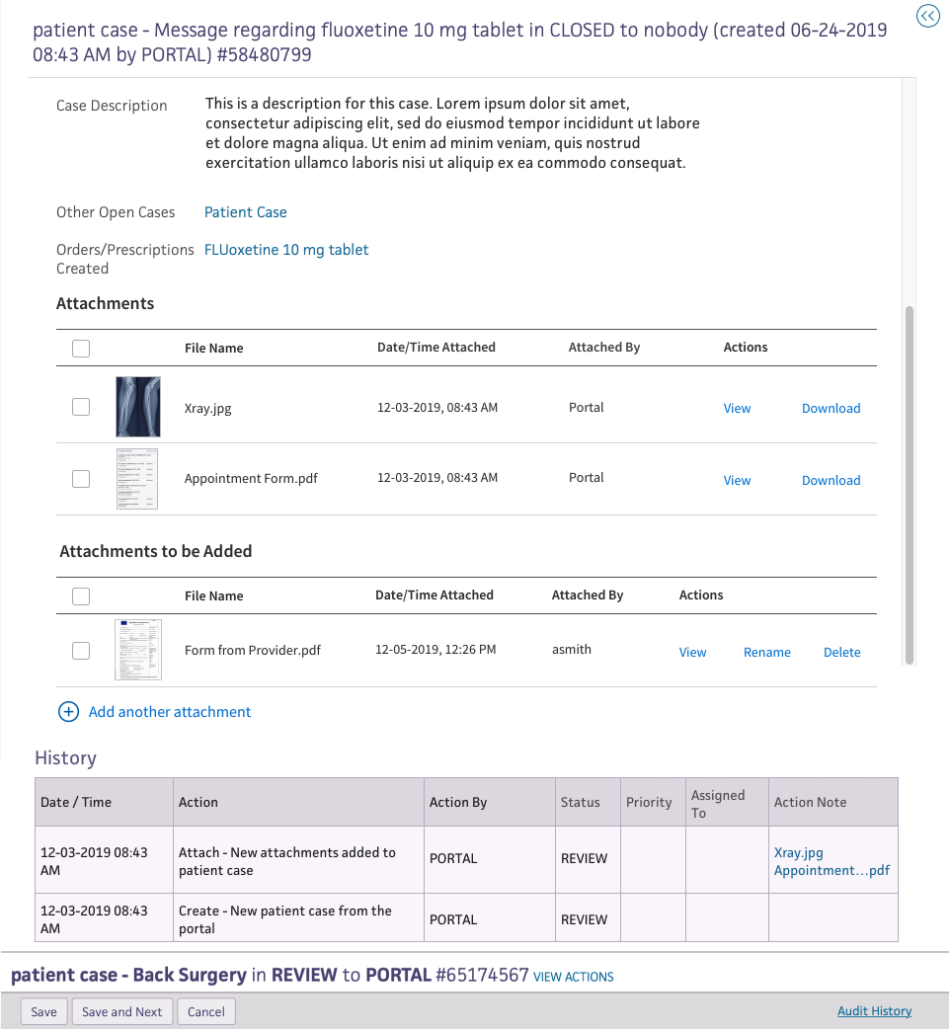
The Patient Case
Each team owned a different yet integrated part of the Patient Case: from the patient’s ability to create a message (Consumer Health), the rules built into assigning and sending messages to internal users (Clinical Inbox Team), and the actions that determined how Patient Cases (Patient Case Team) were worked, replied to, and closed (Document Actions Team).
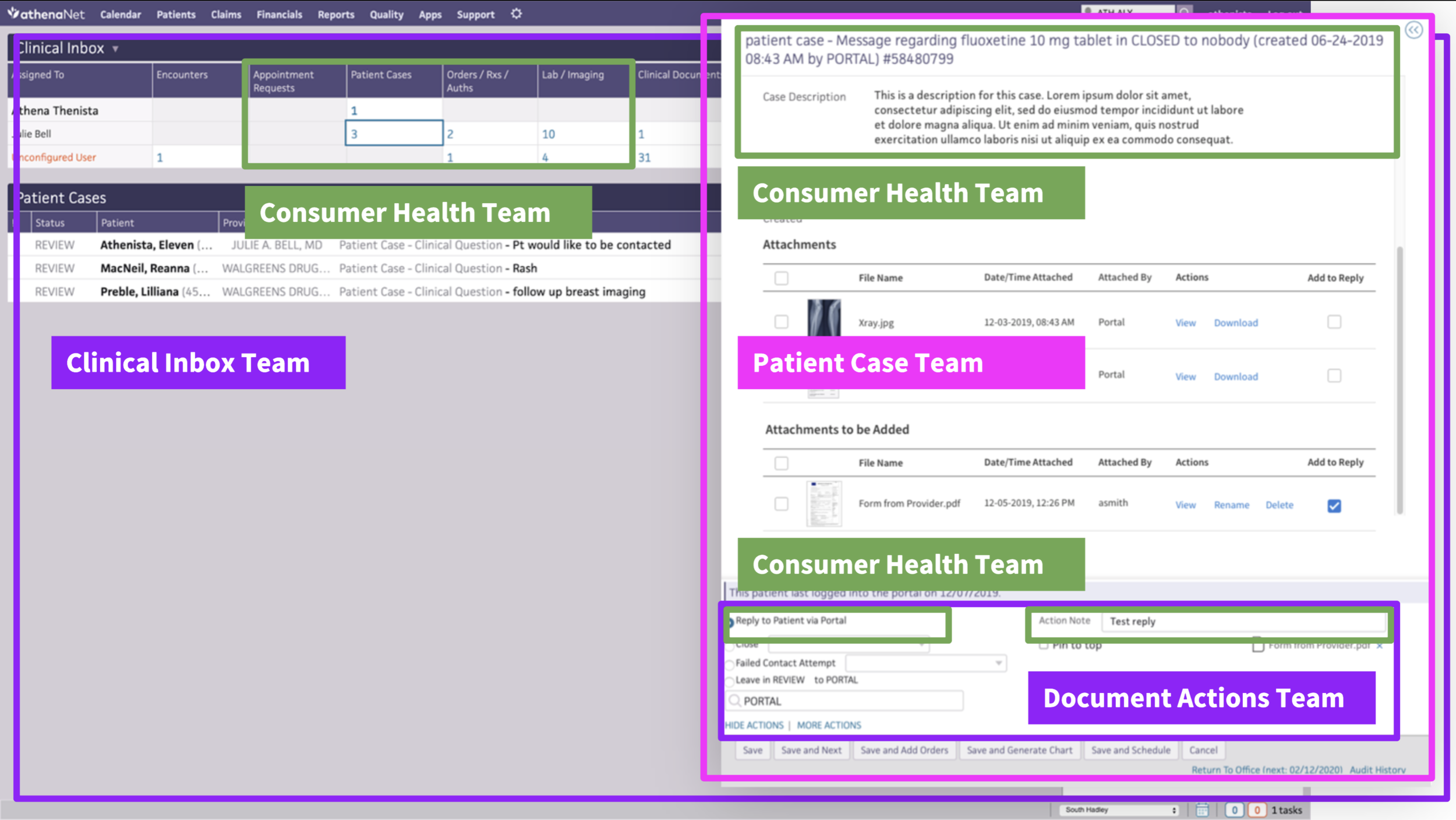
Example of a Patient Case in our internal tool and the multiple teams who own pieces of it
Vision
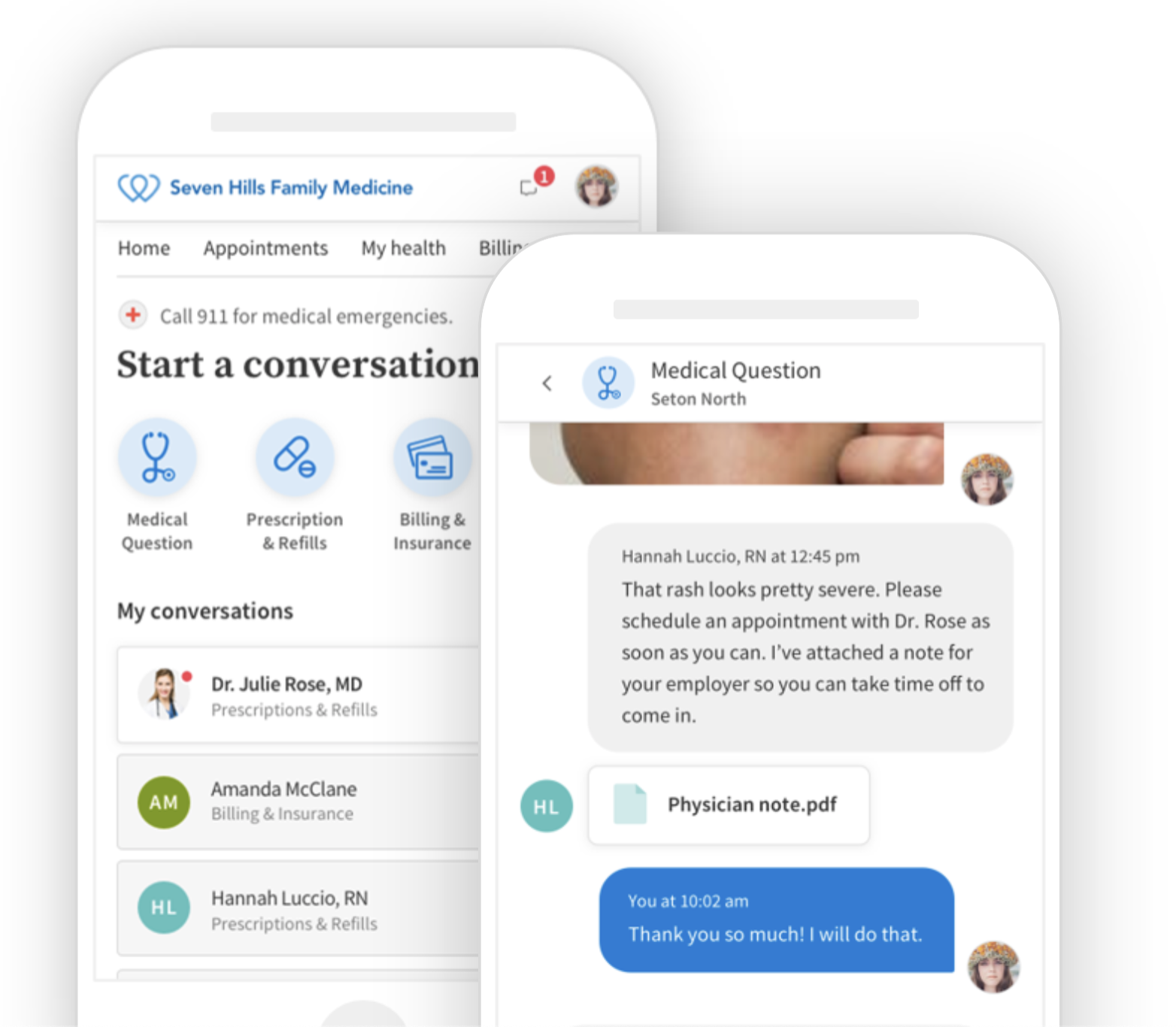
As we wrapped discovery we came away with a patient and provider design vision that connected the patient and clinical user together. It detailed out a more modern way for the patient to send messages and it gave the clinical user the ability to see a patient’s problem without the need for a visit, helping them diagnose and triage issues and getting the patient the care they needed more efficiently.
Experience principles
Make messaging a conversation and reflect the user’s mental model on a mobile device
Keep in mind the patient’s real-time expectations
Respect our current data structure while adding value for the patient
Patient Experience
Provider Experience
Journey map
This is the primary design artifacts from our 2-day on site. It depicts the patient and provider’s workflow for sending and working messages by breaking down the users responsible for each task and the systems involved in routing messages and sending responses.
Narrative
In order to tell the patient and provider story, we created a shared narrative that could be used to align additional stakeholders and leadership on the integration points across Consumer Health and our client-facing teams.
Project outcomes
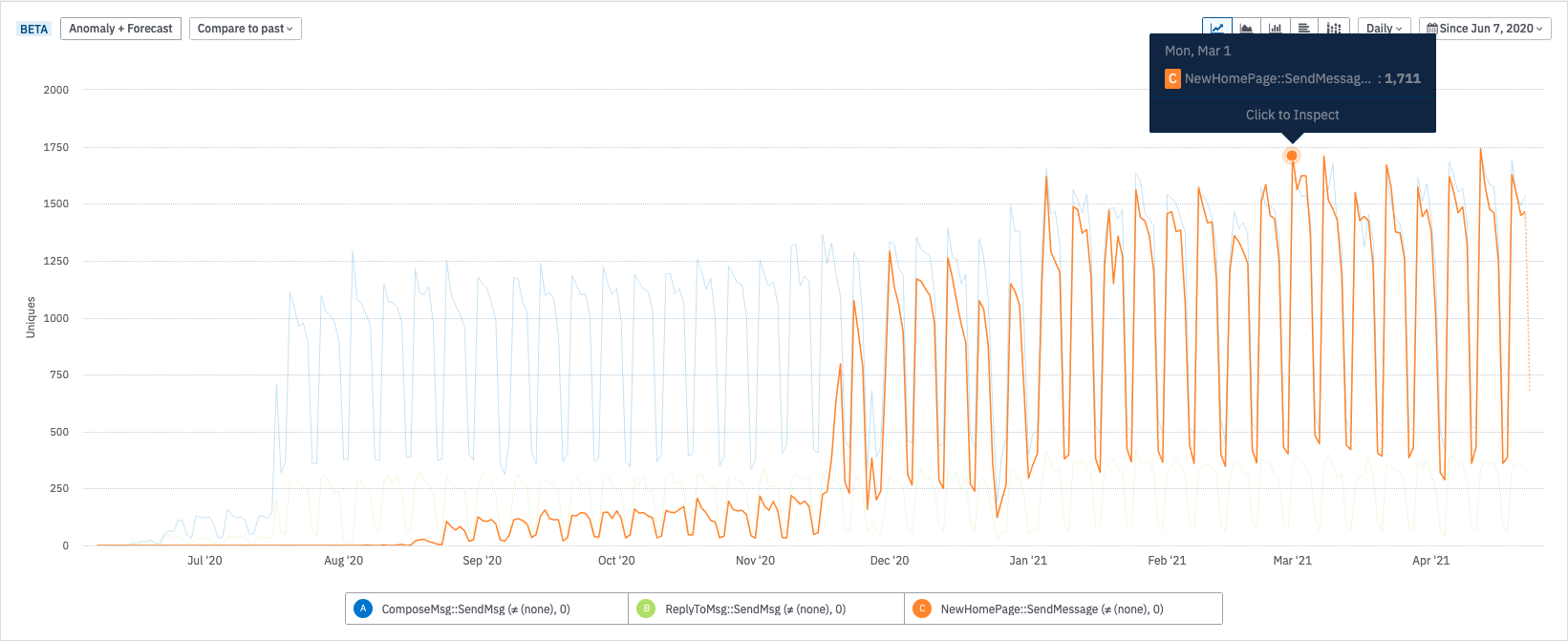
In June of 2020 Consumer Health went Beta with Secure Message Attachments. Our strategy for the zone shifted at the beginning of the Covid-19 pandemic and plans to modernize our Patient Portal experience to be mobile-first became less of a priority. However, giving patients the ability to send messages with attachments became essential to the business. Since the fall we’ve steadily added clients to our Beta pool and have been tracking increasing daily usage of the feature by patients.